



Dispossession
Exhibition, curated by Ariane Müller
Kuenstlerhaus Vienna, 2021
Artists:
Linda Bilda, Stephan Janitzky, Anita Leisz, Sophie Lillie & Arye Wachsmuth, Henrik Olesen
With works by:
Richard Apflauer, Theodor Bruckner, Jehudo Epstein, Otto Herschel, Sofie Korner, Gerda Matejka-Felden, Teresa Feodorowna Ries, Anni Schulz, Friedrich Schön, Heinrich Sussmann, Willy Verkauf/ André Verlon and from the collection of Marco Birnholz
Exhibition design: Ariane Müller and Jasmin Trabichler
Künstlerhaus
Gesellschaft bildender Künstlerinnen und Künstler Österreichs
Karlsplatz 5, 1010 Wien
The exhibition DISPOSSESSION raises a question that directly concerns the artists’ association and its historic exhibition venue, the Künstlerhaus. This question revolves around the self-conception of an art institution that, since its founding, has developed criteria governing membership in the professional association. Established by the state to manage the question of who made art and why, it was able to grant privileges, nominate candidates for professorships, award scholarships and prizes, and secure major government commissions. It was up to the institution and its respective leaders to continually redefine and enforce membership criteria. Thus, while women were not excluded from the bylaws, their suitability as artists was nevertheless disputed internally for 100 years, as can be seen in the meeting minutes for every application for membership submitted by women.
In the history of the institution, with its honorary tribunals and committees, the expulsion of all Jewish members in 1938 did not represent an institutional break but rather a major substantive departure from the repeatedly emphasized paradigms of camaraderie and solidarity. Without any documented expression of regret, one-third of all members were left to their fates, some of which led directly to the extermination camps. One cannot help but get the impression that the majority of artists were delighted by the new opportunities; moreover, the almost hasty implementation of the exclusion shows that this mindset had already been fostered over many years. In any case, after the end of Nazi rule in Austria, there is no documented effort to even inquire about the whereabouts and well-being of those who had been excluded, let alone to come to terms with this exclusion. Instead, the much-vaunted solidarity is directed toward providing assistance to the well-known—and now no longer so openly active—beneficiaries of Nazi art practices.
This bleak picture appears generic only as long as one fails to recognize in it the assertion of an image of the artist that has permeated the entire postwar history up to the present day. The consistent defamation of “amateurish,” “dilettantish” “scribbling clubs” in favor of a heroic, masculine solo artist—for whom landscapes, nude women, and heroic men become malleable material—permeates not only the documents of the Künstlerhaus Association but also the environment it has shaped: in the city’s collections, in its public spaces, and on the facades of its buildings. This also includes everything we do not get to see, because the potential creators were consistently excluded from representing us; they were impoverished, dispossessed, displaced, or killed, their existing collections were plundered, and their existing symbols were destroyed.
The division of the space that exists today—based on the definition of a select few who decided who would be allowed to continue working within it as educators, as designers of new spaces of representation, and as shapers of public space—is a central theme of the exhibition DISPOSSESSION.
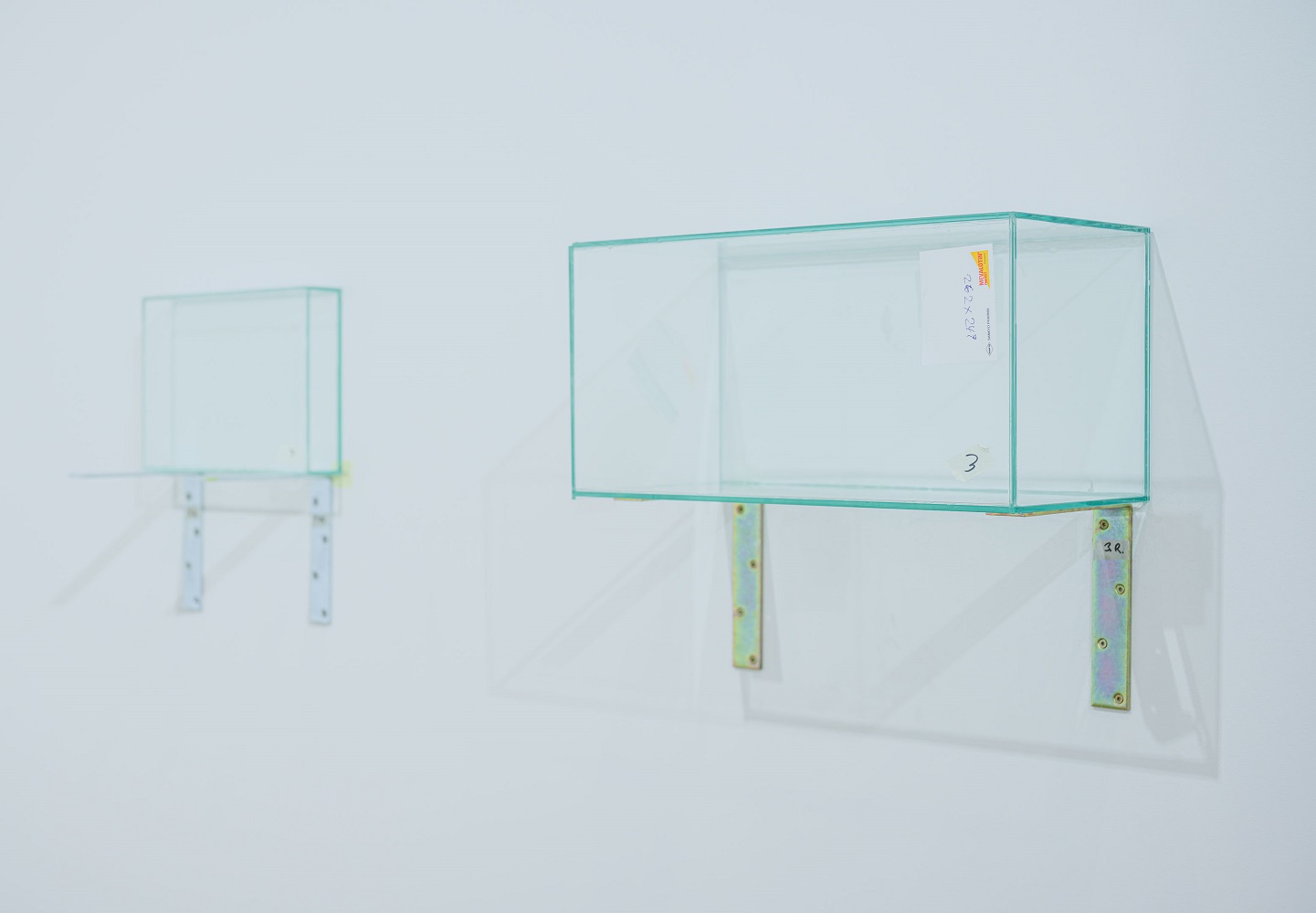
Henrik Olesen
Two years ago, the artist Ariane Müller was invited by Tim Voss, who was then the artistic director of the Künstlerhaus, to conceive an exhibition dealing with the history of the Artists’ Association in the time before, during, and after National Socialist rule in Vienna.
The title Dispossession describes her approach to this topic and therewith also the methodology of the exhibition: Although “dispossession” is usually translated as “Enteignung” in German, this word does not fully capture the meaning of the English term. Possession, and even more importantly, the idea of being possessed, is missing in it. National Socialism, like any right-wing movement, was obsessed with categorising people. It defined attributions such as “Jewish”, “homosexual”, or “asocial” down to the last degrading detail. What was not “normal” was dismissed as “degenerate”. It reduced women to their reproductive function and was obsessed with the concept of race and the ideology of characteristics attached to it.
The people described in this way share the fact that they themselves were not given a say in the definition that devalued them. The actual purpose of this categorising description was to take something away from the people described by it. The exhibition argues against the notion of possessing qualities that result from external ascriptions.
The artists Linda Bilda, Stephan Janitzky, Anita Leisz, Henrik Olesen, Arye Wachsmuth, and the historian Sophie Lillie were invited to take part in this exhibition because they have been working for years on the complex issue of identity attribution, the aim of which is to fix, devalue, and thus dispossess individuals. The works were not created with a history of the Künstlerhaus in mind. Instead, they show very different ways of approaching it altogether. In doing so, they indicate that there are other logics than those conveyed by the surviving documents from this time, since these are also always part of what they describe.
The second part asks what kind of representation the Künstlerhaus provided for its members, and how much the reactionary socio-political orientation of this artists’ association has influenced our image of art. All one really has to do is walk through Vienna with open eyes. There is hardly an official administrative building, church, or state opera curtain in which a member of the Künstlerhaus was not involved. The Künstlerhaus had the power to exclude artists from this canon from commissions, orders, professorships, support, recognition, backing, practical help, and income – and did. Richard Apflauer, Theodor Bruckner, Jehudo Epstein, Hilda Goldwag, Sofie Korner, Gerda Matejka-Felden, Teresa Feodorowna Ries, and the collector Marco Birnholz were involved with the Künstlerhaus, but were either consistently excluded from membership or whose already-granted membership was later revoked.
This desolidarisation extended far into the post-war period and thus also had an impact on the presence of these artists in today’s public collections. Only very few works by these artists have survived. Dispossession now shows excerpts of some of these works in an exhibition presented by the very institution that abandoned the people who created them and was wholly unconcerned about their fate during their lifetime.
all photos: © Michel Nagl
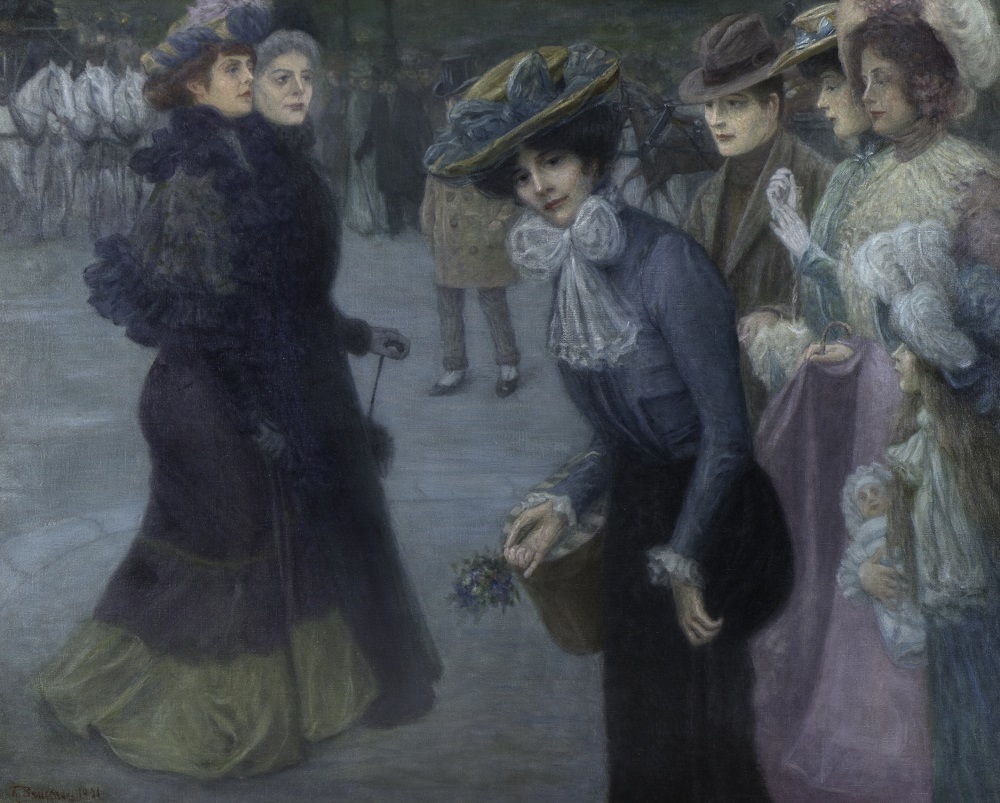
Theodor Bruckner, Wiener Strassenszene
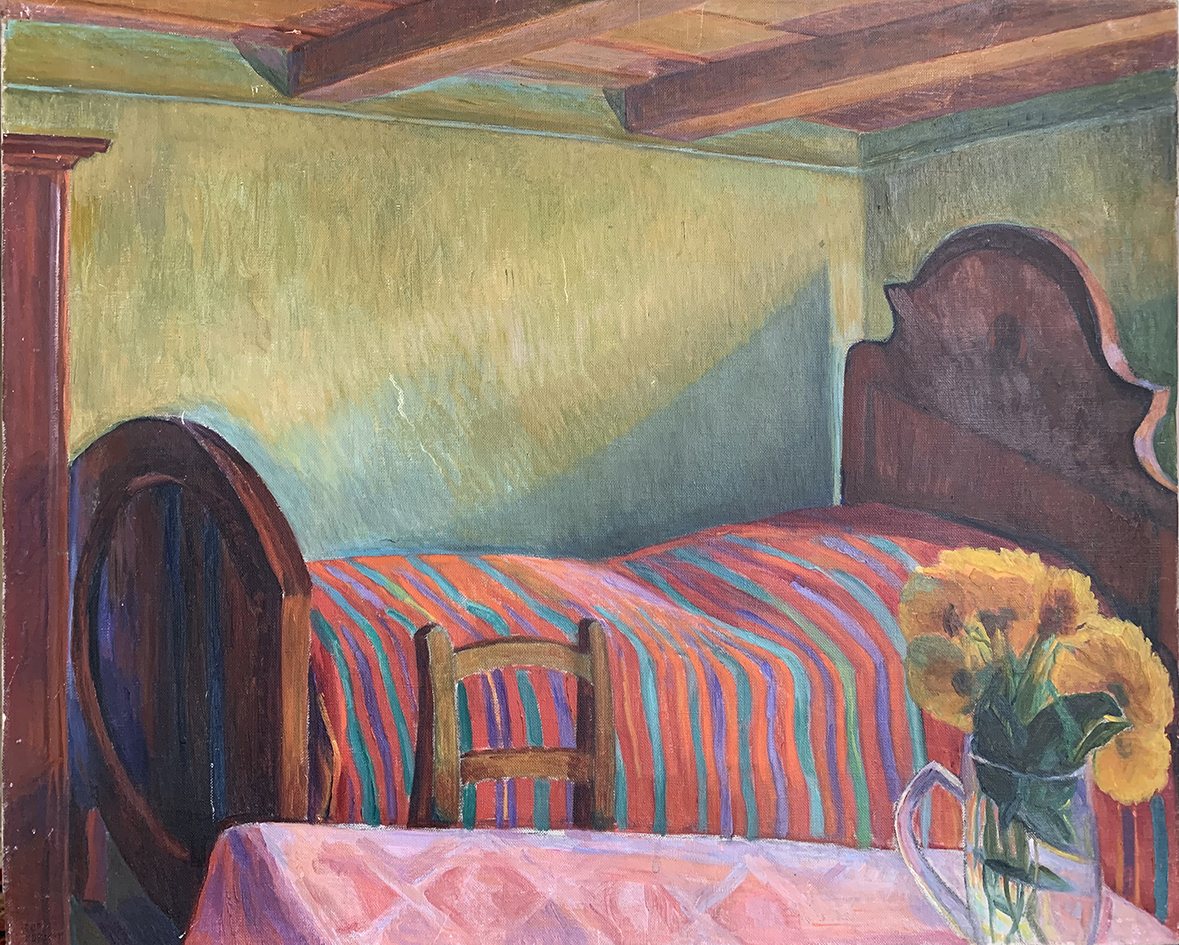
Sofie Korner, Das Bett, frühe 1920er Jahre
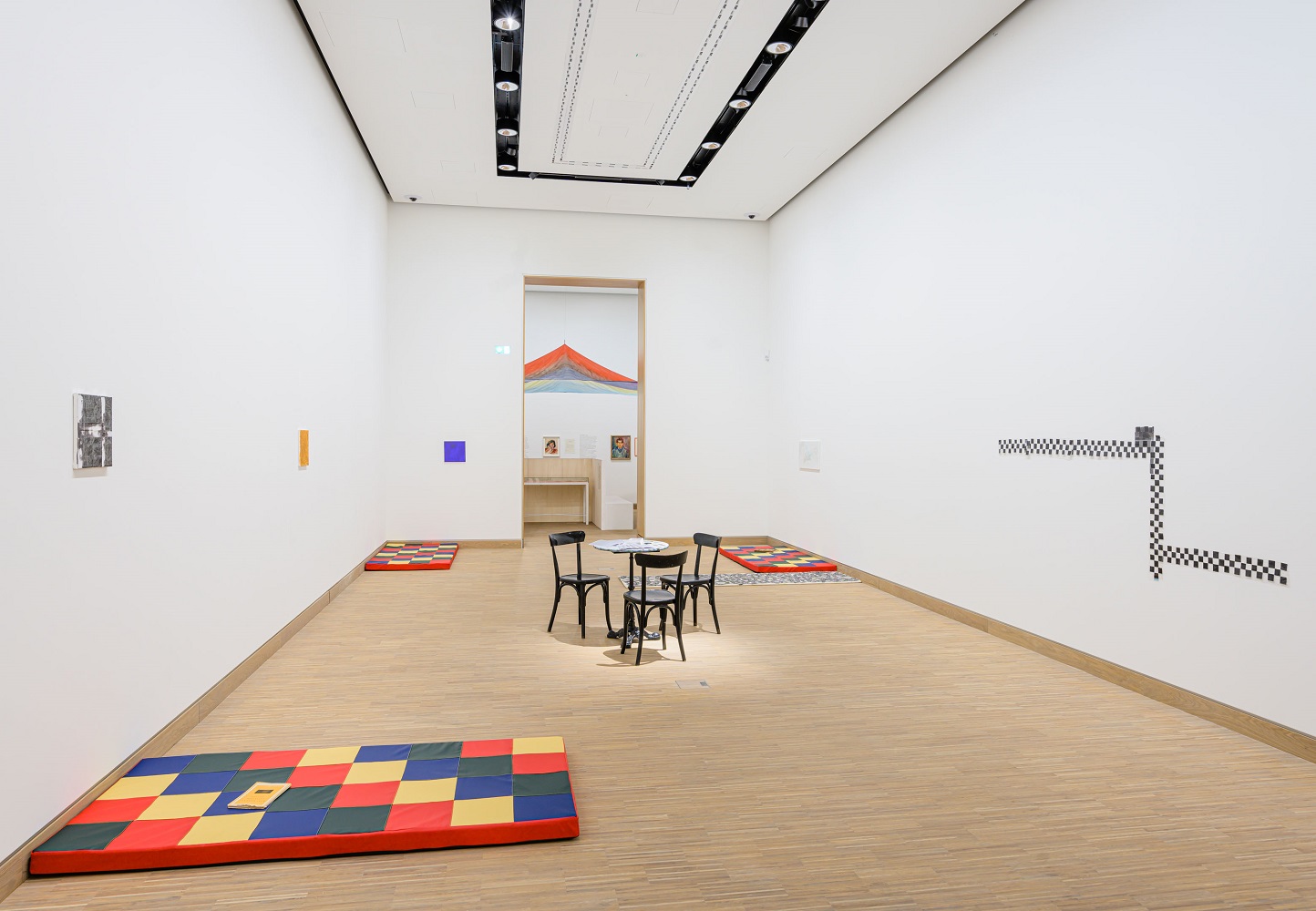
Stephan Janitzky
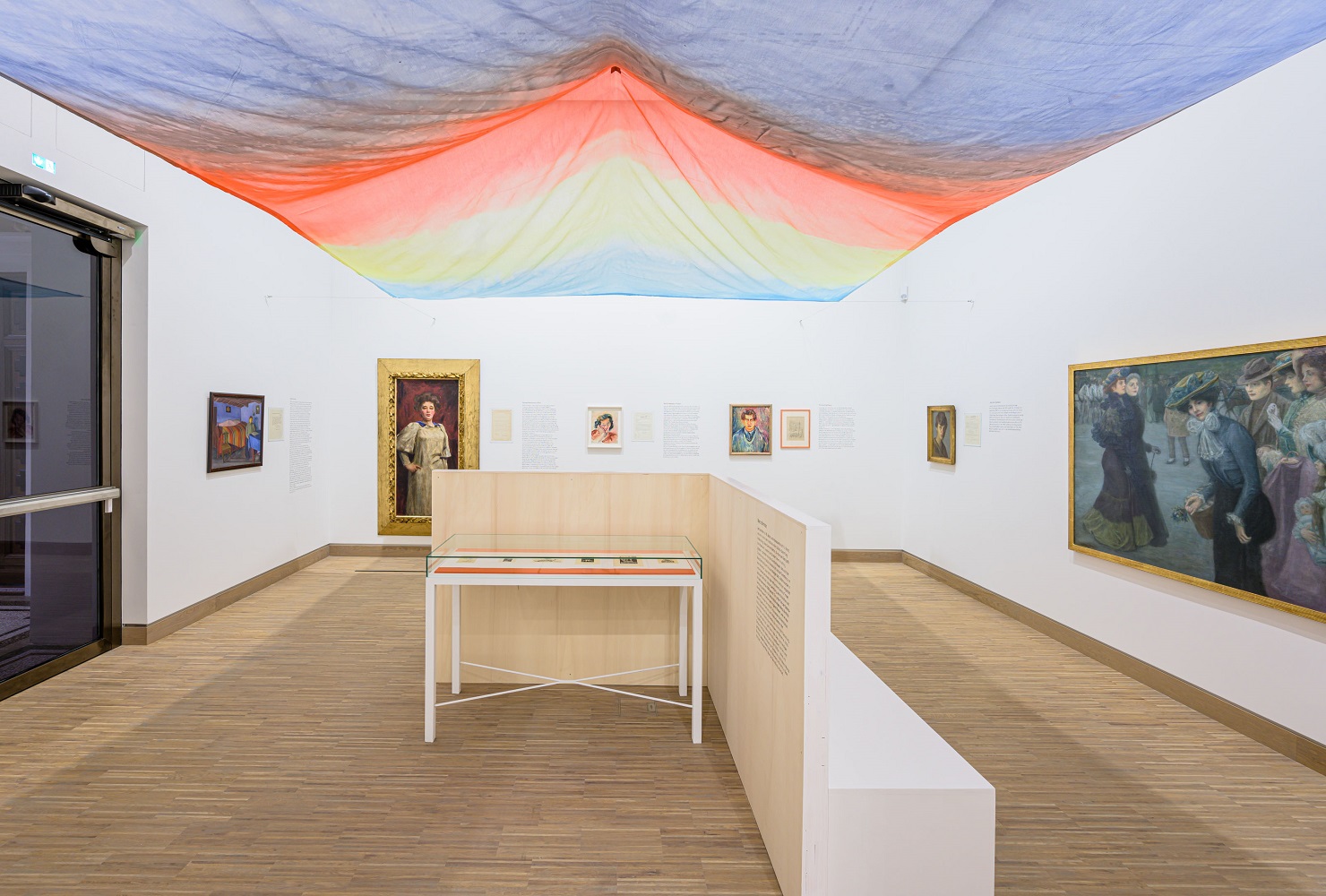
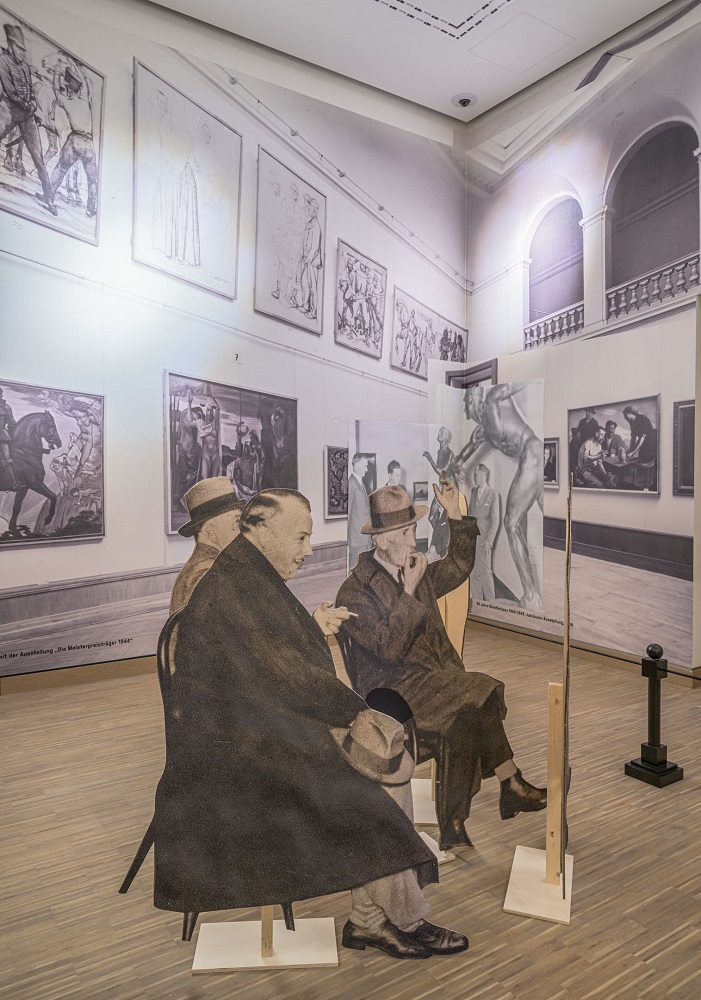
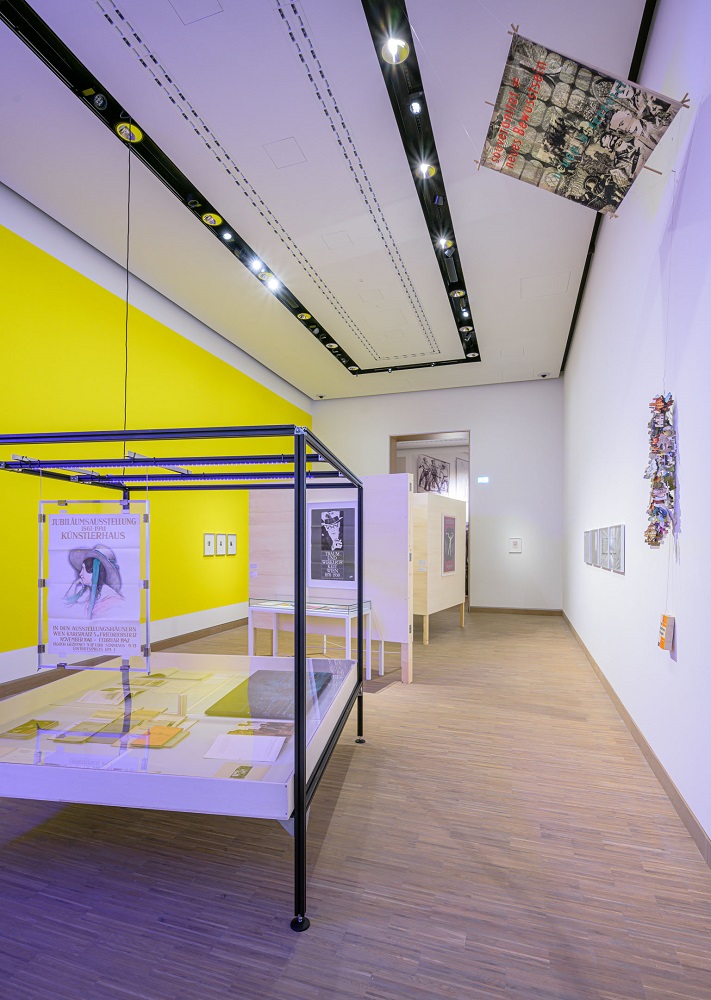
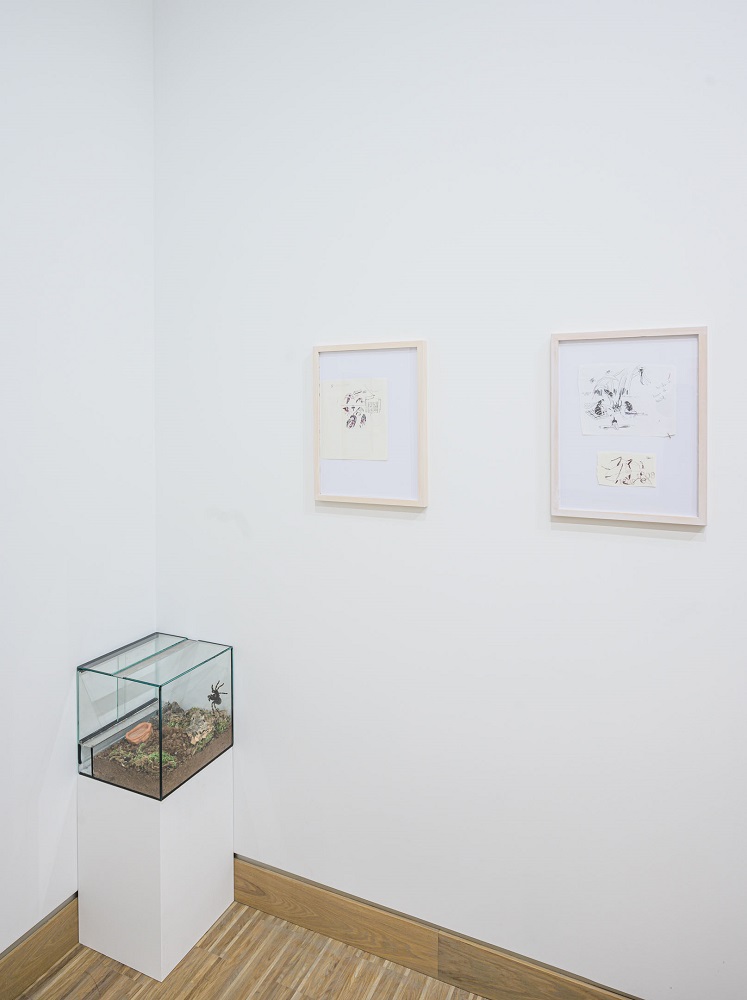
Dispossession, exhibition views
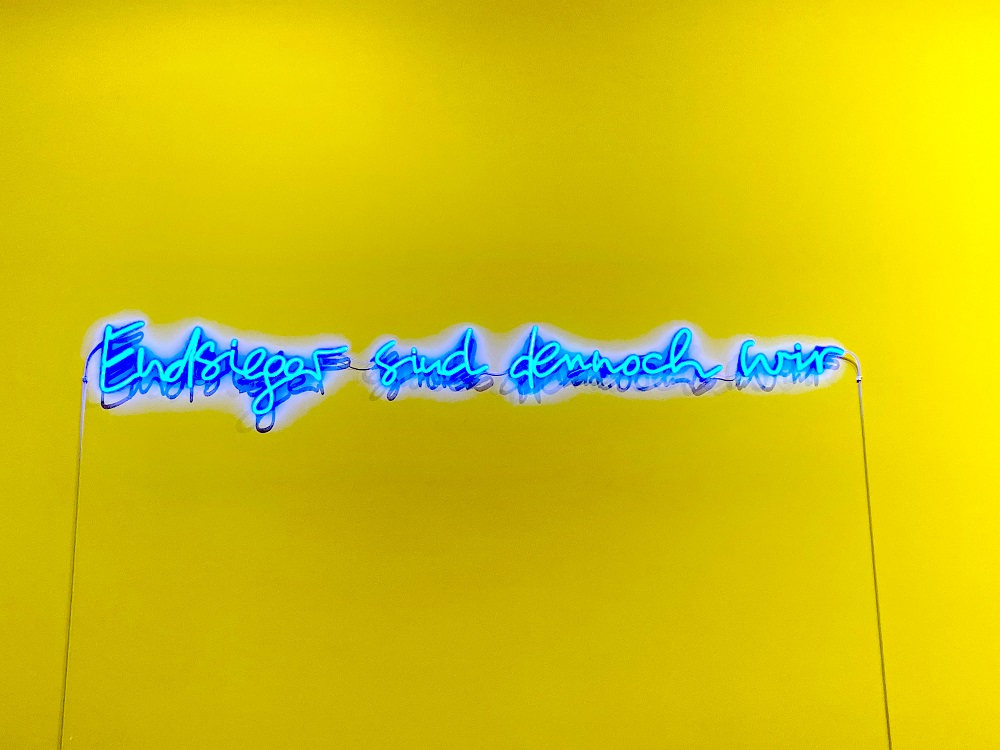
Sophie Lillie & Arye Wachsmuth
Linda Bilda
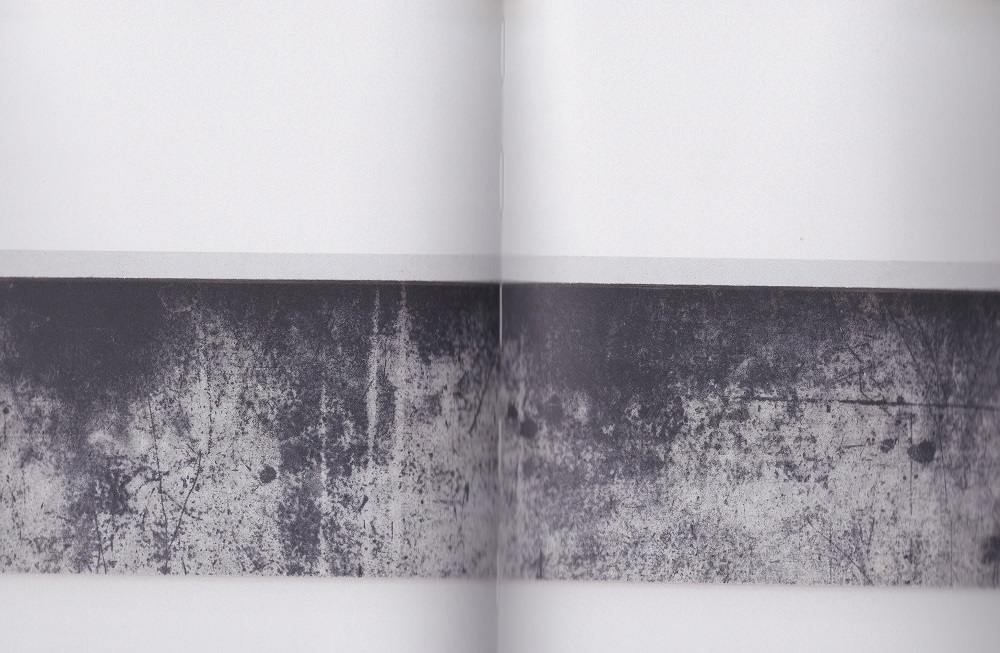
Anita Leisz